
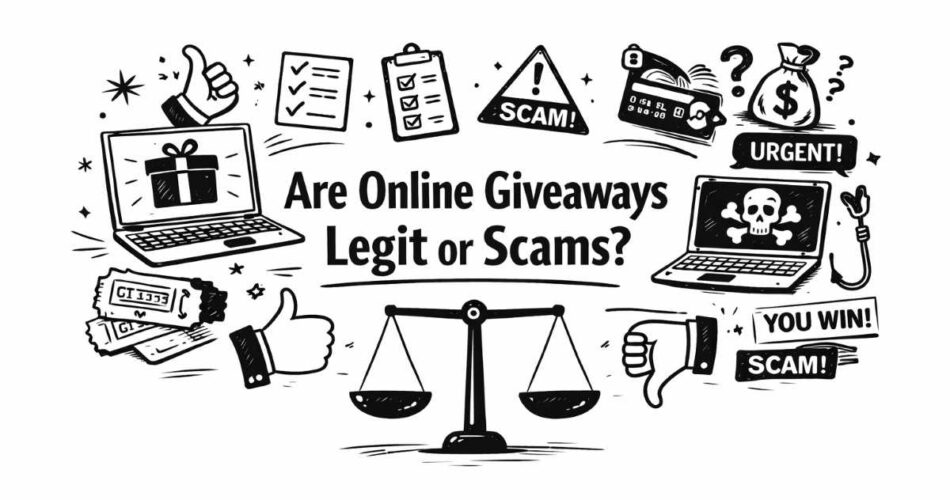
Online giveaways promise free prizes, simple entry steps, and the excitement of winning something for nothing. But alongside legitimate campaigns, scam giveaways are just as common and often harder to spot than people expect. This mix of real opportunities and bad actors is why many users question whether online giveaways can be trusted at all.
The truth lies somewhere in between. Some giveaways are absolutely legitimate, while others are designed to steal data, money, or access to your accounts. The key is knowing how to tell the difference. This guide explains why giveaways raise suspicion, how legitimate ones usually operate, and what warning signs you should never ignore.
Why People Question Giveaway Legitimacy
Skepticism around online giveaways is not accidental. Many users have experienced or heard stories about fake giveaways that ended badly.
One reason is overexposure. Social media platforms are flooded with giveaway posts, many of which look identical. When everything promises “free prizes”, it becomes difficult to trust any of them.
Another factor is past scams. Fake giveaways often go viral quickly, especially when they impersonate well-known brands or public figures. Once users are burned, they tend to assume all giveaways are suspicious.
There is also a lack of transparency. Many giveaways fail to clearly explain how winners are selected, when prizes will be delivered, or who is behind the campaign. Unclear rules naturally raise doubts.
Characteristics of Legitimate Online Giveaways
Legitimate giveaways usually share several clear traits. While no single sign guarantees authenticity, these characteristics together build credibility.
First, clear rules and terms. A real giveaway explains eligibility, entry methods, deadlines, how winners are chosen, and how prizes are delivered. This information is easy to find and written in plain language.
Second, a verifiable organizer. Legitimate giveaways are run by identifiable brands, websites, or creators with an existing online presence. You should be able to find their official website, social profiles, or previous campaigns.
Third, realistic prizes. Authentic giveaways offer rewards that make sense for the organizer’s size and purpose. The prize aligns with their brand, product, or marketing goals.
Finally, professional communication. Winners are contacted through official channels, and participants are never rushed, threatened, or pressured into immediate action.
Common Scam Giveaway Patterns
Scam giveaways tend to follow predictable patterns, even if their visuals look convincing.
A common tactic is impersonation. Scammers copy logos, usernames, and branding from well-known companies or influencers, hoping users won’t notice small differences.
Another pattern is fake winner notifications. You may receive messages claiming you won a giveaway you never entered, often followed by instructions to “claim now.”
Many scam giveaways also require upfront payments, such as shipping fees, taxes, or “verification costs.” Legitimate giveaways do not ask winners to pay to receive prizes.
Finally, some scams focus on account takeover. They ask users to click suspicious links, log in with social accounts, or share one-time codes steps that give scammers control over accounts.
Red Flags Users Should Notice
Spotting red flags early can save you from losing data or money.
Be cautious if the giveaway creates false urgency, such as “claim within 10 minutes or lose your prize.” Pressure is a classic manipulation tactic.
Watch for poor grammar and inconsistent details. While not every legitimate giveaway is perfectly written, many scams contain obvious mistakes or conflicting information.
Another red flag is unnecessary data requests. If a giveaway asks for sensitive information like passwords, private keys, or full identification without a clear reason, it should be avoided.
Also be wary of off-platform communication. Being redirected to unfamiliar websites or private messaging apps to claim prizes is often a sign of a scam.
How to Protect Your Data
Protecting your data should always be a priority when joining online giveaways.
Use a separate email address for giveaways to limit spam and reduce exposure if your information is shared or leaked.
Never share passwords, verification codes, or recovery phrases, even if the request appears to come from a trusted source.
Double-check links before clicking. Visiting an official website manually is safer than following links sent through messages or comments.
Finally, review the platform’s rules. Many social networks prohibit certain giveaway practices, and violations can be a clue that something is wrong.
Responsible Participation Tips
Responsible participation means balancing curiosity with caution.
Treat giveaways as optional entertainment, not guaranteed rewards. Never rely on them for income or valuable items.
Read the rules carefully, even for simple campaigns. Understanding entry limits, deadlines, and winner selection reduces misunderstandings later.
Avoid participating in giveaways that make you uncomfortable or ask for more information than you are willing to share.
Most importantly, trust your instincts. If something feels off, it usually is.
Final Thoughts
Online giveaways are neither automatically legitimate nor automatically scams. They exist across a spectrum, from well-run promotional campaigns to outright fraud.
Learning how legitimate giveaways operate and recognizing common scam patterns puts you in control. With clear expectations, careful habits, and a healthy level of skepticism, you can enjoy giveaways without unnecessary risk.

